Pad Thai

When it comes to a comforting, flavorful meal, few dishes can compete with the delicious charm of Pad Thai. This beloved Thai street food is a symphony of textures and flavors, weaving together the nutty richness of peanut butter, the tangy zing of tamarind, and the satisfying chew of noodles. It’s a dish that feels at home in both cozy kitchens and lavish dinner parties, making it the perfect casual yet impressive choice for any occasion.
Table of Contents
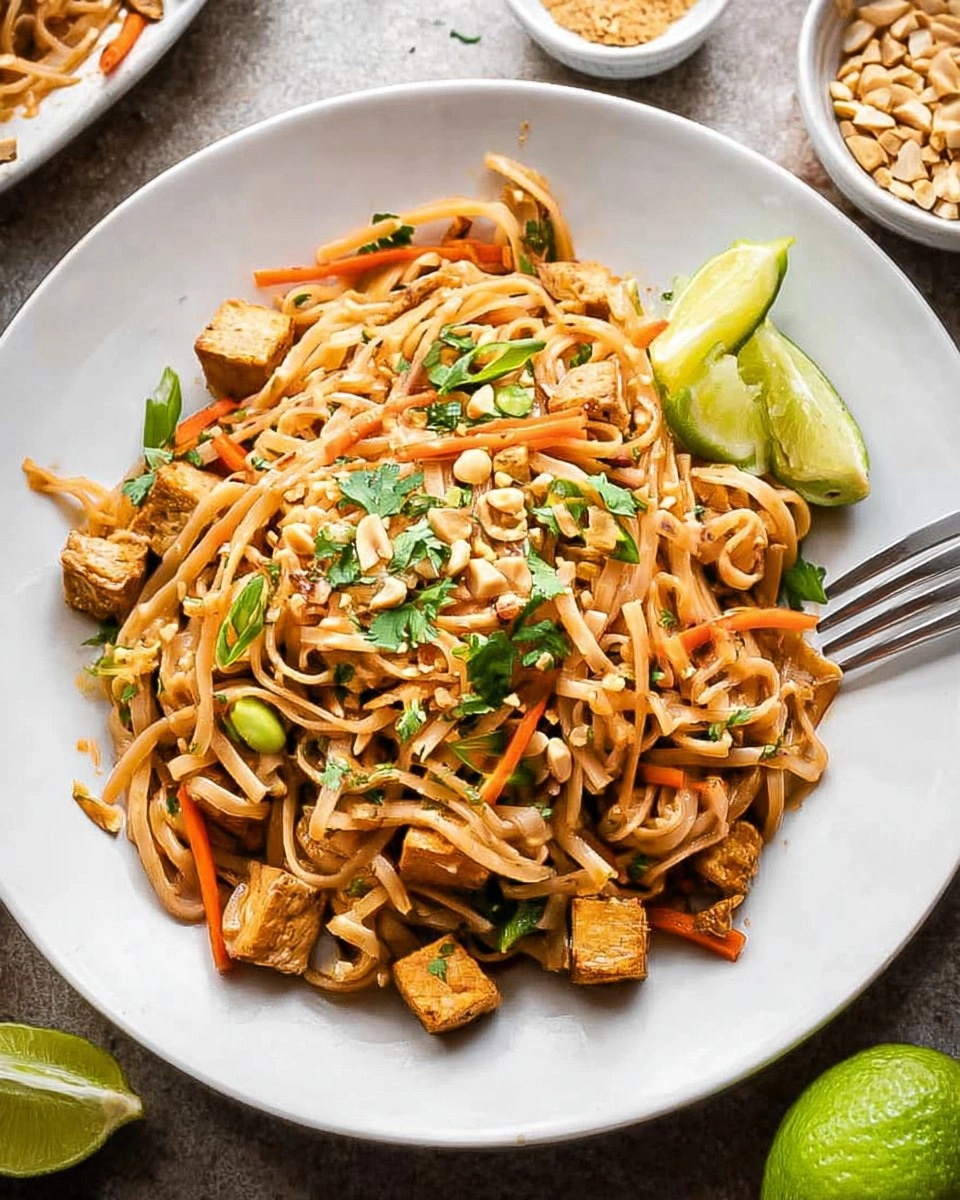
I still remember the first time I tried making Pad Thai at home. It was a rainy evening, and the thought of a warm, savory dish sent my taste buds into a frenzy. I whisked together the sauce ingredients and watched as colorful veggies and tofu sizzled in the pan, filling my kitchen with mouthwatering aromas. With each bite, the robust flavors danced on my palate, instantly transporting me to the vibrant streets of Bangkok. This easy Pad Thai recipe has since become a go-to staple in my home, and I can’t wait for you to experience it too!
Why You’ll Love This Recipe
- Simple & Quick: Ready in just 30 minutes, this recipe is perfect for busy weeknights.
- Irresistible Flavor: The combination of tangy, sweet, and savory will have you craving seconds.
- Eye-Catching Appeal: With a colorful array of vegetables and toppings, it’s as fun to look at as it is to eat!
- Flexible Serving: Ideal for weeknight dinners, gatherings, or even a cozy lunch.
- Diet-Friendly Options: Easily adaptable for vegan diets by replacing eggs with tofu or additional veggies.
Ingredients You’ll Need
- 2 tablespoons soy sauce: Adds a savory umami flavor, crucial for that authentic Asian taste.
- 3 tablespoons water (or fish sauce): Fish sauce deepens the flavor, but water works for a milder taste.
- 5 tablespoons light brown sugar: Provides sweetness and balances the tanginess in the sauce.
- 2 tablespoons tamarind paste (or lime juice): Tamarind gives a distinct flavor, while lime juice serves as a fresh alternative.
- 1 tablespoon lime juice: Brightens the dish with a burst of citrus.
- 1 tablespoon chili sauce: Adds a kick of spice to keep things interesting.
- 3 tablespoons peanut butter: Offers rich creaminess; use natural peanut butter for the best results.
- 8 ounces udon noodles (or pad thai noodles): Udon noodles are deliciously chewy, but rice noodles are traditional for this dish.
- 14 ounces extra firm tofu (cut into ½” cubes): A perfect protein source that absorbs flavors beautifully.
- 4 tablespoons peanut oil (divided): Helps to cook ingredients without sticking and imparts a lovely nutty flavor.
- ½ teaspoon garlic powder: A quick way to add garlic flavor evenly throughout the dish.
- ¼ teaspoon fine sea salt: Enhances all other flavors without being overpowering.
- ¼ teaspoon ground ginger: Adds warmth and a hint of spice to the mix.
- 1 tablespoon minced garlic: Fresh garlic boosts flavor with its aromatic essence.
- 1 cup carrots (julienned): Adds a sweet crunch and bright color.
- ¼ cup green onions (finely sliced): Provides a fresh, mild onion flavor.
- 2 eggs: These create a fluffy texture and a rich depth of flavor.
- 1 ½ cups bean sprouts (4.5 ounces): Adds crunch and freshness to the dish.
- ¼ cup peanuts (crushed): For garnish, they add a delightful crunch.
- ¼ cup cilantro (chopped): A fresh herb that brightens the dish.
How to Make Pad Thai Recipe
Cook the Noodles: Bring a large pot of water to a boil. Add 8 ounces of udon noodles and cook according to package directions. Once cooked, drain the noodles but do not rinse them, as you want to retain the starch.
Prepare the Sauce: In a small bowl, whisk together 2 tablespoons soy sauce, 3 tablespoons water (or fish sauce), 5 tablespoons light brown sugar, 2 tablespoons tamarind paste (or lime juice), 1 tablespoon lime juice, 1 tablespoon chili sauce, and 3 tablespoons peanut butter until smooth. If necessary, warm slightly to make combining easier. Set aside for later use.
Cook the Tofu: In a large wok or fry pan, heat 2 tablespoons of peanut oil over high heat. Add 14 ounces of cubed extra firm tofu, stirring often until it just starts to brown.
Season the Tofu: Evenly sprinkle ½ teaspoon garlic powder, ¼ teaspoon fine sea salt, and ¼ teaspoon ground ginger over the tofu. Stir to coat evenly and continue cooking until lightly golden.
Add the Veggies: Toss in 1 cup of julienned carrots, ¼ cup of finely sliced green onions, and 1 tablespoon of minced garlic, along with another tablespoon of peanut oil. Stir-fry over medium-high heat until the carrots are soft, which should take about 3-4 minutes. Stir often to prevent burning.
Scramble the Eggs: Move the vegetable mixture to one side of the pan. Pour 2 beaten eggs into the empty side of the pan, scrambling them until fully cooked. This adds that traditional Pad Thai texture and flavor.
Combine Everything: Add the cooked noodles, 1 ½ cups of bean sprouts, crushed peanuts, and the sauce to the pan. Toss everything to combine thoroughly.
Finish Cooking: Cook for an additional 5 minutes over medium-high heat, stirring frequently to ensure the sauce coats evenly and begins to caramelize slightly on the noodles.
Serve: Plate your delicious Pad Thai and garnish with extra crushed peanuts, chopped cilantro, and additional green onions if desired. Enjoy immediately while it’s warm and full of flavor!
Storing & Reheating
To store your Pad Thai, let it cool completely, then transfer it to an airtight container before placing it in the refrigerator. It will keep for up to 3-4 days. For longer storage, you can freeze it in a freezer-safe container for up to 3 months. When reheating, warm it in a skillet over medium heat, adding a splash of water or broth to help regain moisture and freshness. The texture may change slightly but should still taste fantastic!
Chef’s Helpful Tips
- Be careful not to overcook the tofu—aim for a light golden color for the best texture.
- Room temperature eggs mix into the dish smoother than cold eggs.
- Adjust the spice level by choosing a milder or hotter chili sauce according to your preference.
- For extra crunch, add the bean sprouts just before serving, so they stay crispy.
- Try different veggies based on what you have in the fridge—bell peppers or snap peas work wonderfully, too!
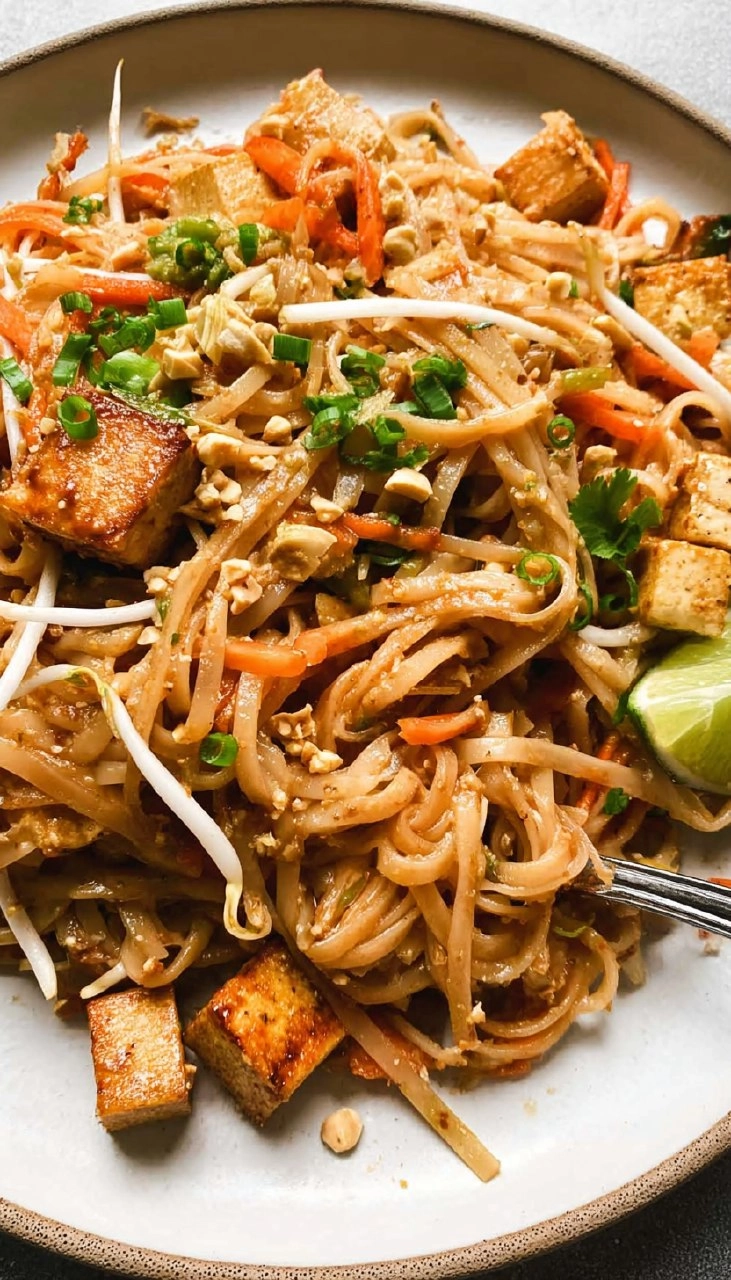
Pad Thai is not just a meal; it’s an experience that invites creativity. You can play around with the ingredients, experiment with spices, and make it truly your own. Whether you enjoy the simplicity of tofu, switch to chicken, or pile on the vegetables, each rendition brings something unique to the table.
Give this recipe a try, and before you know it, you’ll be savoring the delightful fusion of flavors right from your kitchen. Enjoy your culinary journey into the heart of Thailand with this easy Pad Thai recipe!
Recipe FAQs
Can I make Pad Thai vegan?
Absolutely! You can omit the eggs and use additional tofu or your favorite plant-based protein. Just ensure that the sauce you use, especially the fish sauce, is replaced with a vegan option or simply stick with water.
What’s the best way to avoid soggy noodles?
To prevent soggy noodles, don’t overcook them in the boiling water, and make sure not to rinse them after draining. This retains the starch, which helps the noodles cling to the sauce beautifully.
Can I use other types of noodles?
Yes! You can use any flat rice noodles or even spiralized veggies for a low-carb option. Udon noodles are my personal favorite for their chewier texture, but there’s no wrong choice when it comes to enjoying this dish.
How do I store leftovers?
Cool your Pad Thai completely before storing it in an airtight container in the fridge for up to 3-4 days. Alternatively, you can freeze it for up to 3 months. Reheat it gently on the stove to regain its deliciousness.
PrintMore Main Dishes Recipes
Did You Enjoy Making This Recipe? Please rate this recipe with ⭐⭐⭐⭐⭐ or leave a comment.
📖 Recipe Card
Pad Thai
- Prep Time: 20 minutes
- Cook Time: 20 minutes
- Total Time: 40 minutes
- Yield: 8 servings 1x
- Category: Main Dishes
- Method: Stir-fry
- Cuisine: Thai
Description
This Pad Thai is a delightful blend of flavors with tender tofu, savory sauces, and fresh vegetables. It’s a quick and satisfying meal that brings the taste of Thailand into your kitchen, making it an ideal option for a comforting homemade dinner.
Ingredients
- 2 tablespoons soy sauce
- 3 tablespoons water
- 5 tablespoons light brown sugar
- 2 tablespoons tamarind paste
- 1 tablespoon lime juice
- 1 tablespoon chili sauce
- 3 tablespoons peanut butter
- 8 ounces udon noodles
- 14 ounces extra firm tofu
- 4 tablespoons peanut oil
- ½ teaspoon garlic powder
- ¼ teaspoon fine sea salt
- ¼ teaspoon ground ginger
- 1 tablespoon minced garlic
- 1 cup carrots
- ¼ cup green onions
- 2 eggs
- 1 ½ cups bean sprouts
- ¼ cup peanuts
- ¼ cup cilantro
Instructions
- Bring a large pot of water to a boil and add the noodles, cooking according to package directions. Drain without rinsing.
- In a separate bowl, mix the soy sauce, water, light brown sugar, tamarind paste, lime juice, chili sauce, and peanut butter until combined.
- Heat 2 tablespoons of peanut oil in a large skillet over medium heat and add the tofu cubes, frying until golden.
- Add minced garlic, carrots, and green onions to the skillet, cooking for a few minutes until softened.
- Push the vegetables to one side and crack the eggs into the skillet, scrambling until cooked.
- Stir in the cooked noodles and bean sprouts, then pour the sauce mixture over everything. Toss to combine.
- Serve hot, garnished with crushed peanuts and chopped cilantro.
Notes
Feel free to substitute udon noodles with pad thai noodles for an authentic taste.
Adjust the amount of chili sauce according to your spice preference.
Stir-frying the ingredients on high heat enhances the flavors.
Nutrition
- Serving Size: 1 serving
- Calories: 425
- Sugar: 9g
- Sodium: 1000mg
- Fat: 23g
- Saturated Fat: 4g
- Unsaturated Fat: 19g
- Trans Fat: 0g
- Carbohydrates: 40g
- Fiber: 4g
- Protein: 16g
- Cholesterol: 90mg